
-
Content
Last Updated on October 2, 2024 by Jared Slemp
NFC payment and EMV payment are both relatively new terms in payments technology that, together, have changed the landscape of accepting credit and debit cards for merchants and consumers alike, bringing both more security features and convenience.
But what are they exactly, and how do they differ from one another?
What is an EMV payment?
If you have any payment terminals, you're likely accepting EMV payments already. EMV (which stands for EuroPay, Mastercard, and Visa) is just the security standard for credit and debit cards with a chip embedded in them. Each time your customer inserts their card into your payment terminal, the card details are read from the embedded chip, the payment is processed, and just like that—you've accepted an EMV payment.
Now you may have never heard the term "EMV payments" before, and that's because most people refer to it as a chip, or chip-and-PIN transaction. This functionality is found on most payment terminals and is a critical security feature of your POS system (Learn what a POS system is here).
| Difference | EMV payments | NFC payments |
|---|---|---|
| What does it stand for? | EMV = Europay, Mastercard, and VisaEnables chip-and-PIN / chip-and-signature card transactions | NFC = Near-Field CommunicationEnables short-range, contactless payments |
| Where does it apply? | Chip cards used in EMV-capable terminals (card payments only) | Contactless cards, mobile wallets (e.g., Apple Pay, Google Pay), and NFC-enabled wearables |
What is an NFC payment?
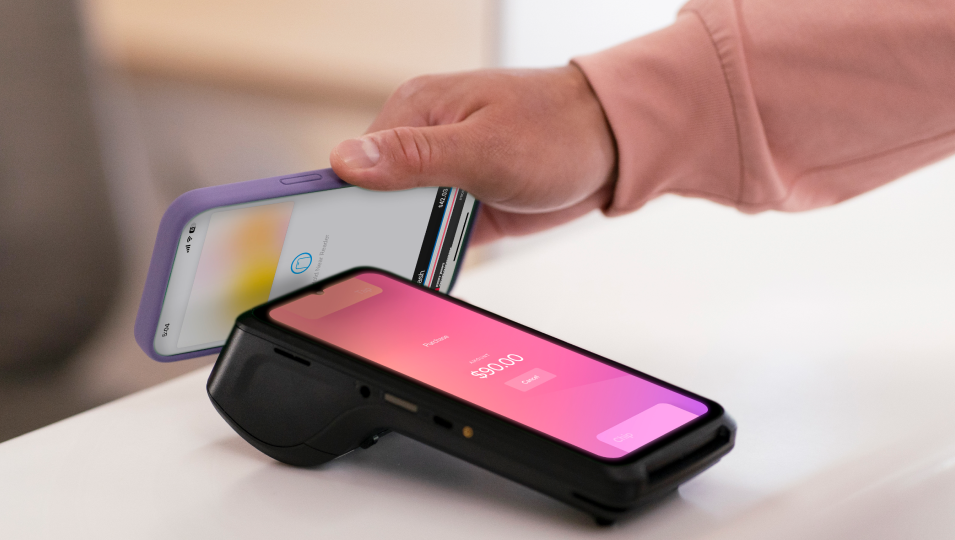
Similar to EMV, chances are you've also either paid using NFC technology or are accepting NFC payments already. An NFC payment (which stands for "Near Field Communication") refers to the Radio Frequency Identification (RFID) technology that allows two devices to communicate simply by being in close proximity to one another.
More commonly, you'll hear NFC payments referred to as contactless payments, meaning you can tap to pay on a payment terminal instead of inserting your chip and entering the PIN. Technically, this is an evolution of EMV transactions and is still considered an EMV payment, but just powered by RFID rather than a chip-and-PIN.
EMV vs. NFC payments
These technologies are very similar. NFC payments are a form of EMV payments, but the process to initiate the payment is different. Standard EMV payments use the chip embedded on a credit or debit card to gather the card details and process payments.
When it comes to NFC payments, the card or digital wallet is placed near the payment terminal and RFID is used to gather the card details and process payments. For example, the customers can tap their card on a credit card reader or payment terminal for contactless payments.
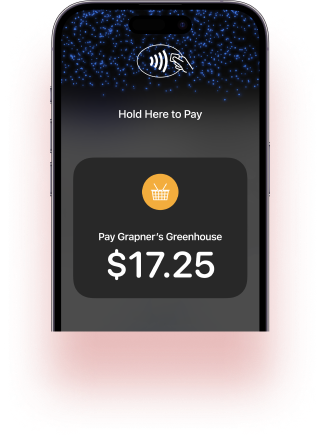
Besides, if you use Tap to Pay on iPhone, customers can simply tap their cards on your iPhone to complete a transaction with ease.
How do EMV chip cards work?
In today’s landscape, it’s more important than ever to use EMV cards for security (more on this in the next section). To best understand how much security these chip cards offer, let’s dive into an overview of how EMV Chip Cards work.
At the heart of this innovation is the microchip embedded in each card, which serves as a secure storage unit for data, including account information and cryptographic keys. This microchip safeguards critical information and functions as a processing center, enabling secure transactions that protect against fraud and misuse.
The transaction process of an EMV card is another key aspect of its security measures. When a card is inserted into a terminal, the microchip communicates directly with the terminal, generating dynamic data for the transaction. This data processing ensures that each transaction is unique, significantly reducing the risk of cloning or replay attacks. By generating different data each time, EMV cards create an environment where each payment stands alone, making it much harder for malicious actors to exploit transaction information.
Are EMV and NFC payments secure?
EMV payments
EMV payments are considered the global standard for secure payments. They were introduced to add additional security benefits that protect both the merchants and the cardholders, limiting their exposure to fraud. When EMV was introduced around the world, it had a significant impact on card-present fraud.
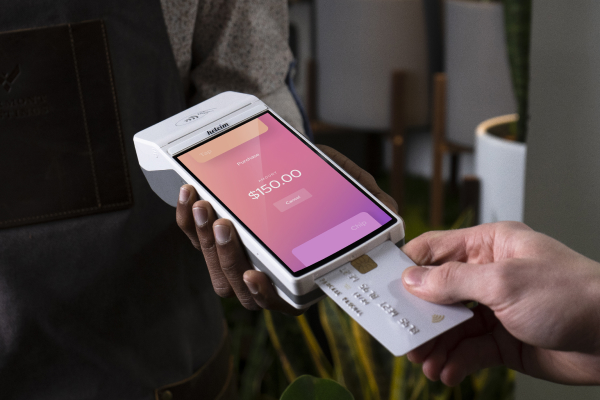
Each time you process an EMV transaction, the payment is dynamically authenticated, verified, and then authorized. The cardholder is also required to enter a PIN (Personal Identification Number) or provide a signature to verify the card belongs to them and not a fraudster. As an added level of security, the chip component makes it much more difficult for fraudsters to replicate compared to a magnetic stripe card.
NFC payments
NFC technology has its own security benefits as well. If a customer wishes to make an NFC transaction, both Visa and Mastercard require the customer to hold their card (or device) close to the card reader for the transaction to be processed. The cardholder is within inches of the payment terminal and the transaction takes seconds to complete, reducing any security risks from intercepting the payment. Plus, all of the transaction data is two-way encrypted to protect it even more if a fraudster did attempt to intercept it.
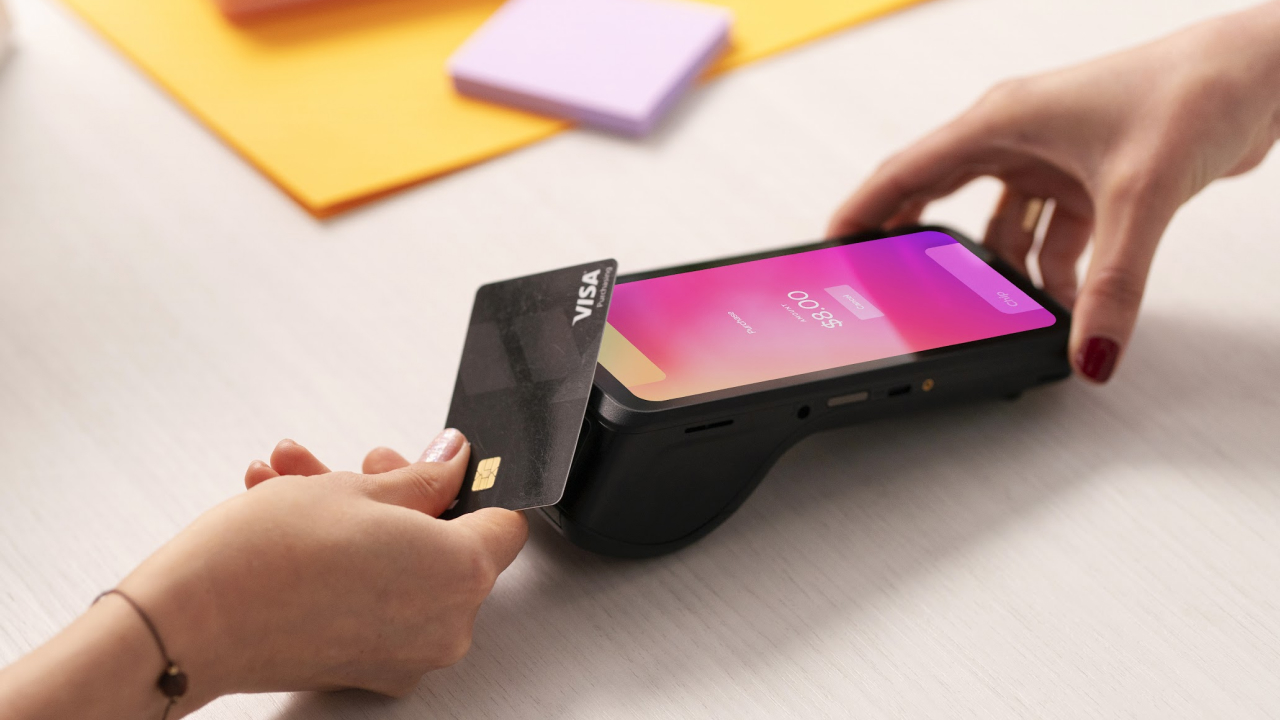
Many NFC transactions also have transaction limits of about $100-$250 to limit the impact in the event the card is stolen. If the transaction amount is above that, the customer will need to insert their card into the payment terminal and enter their PIN for the transaction to go through.
Is an NFC payment more secure than an EMV payment?
Both EMV and NFC technology have unique security benefits. We can safely say that both are more secure than a magstripe on older cards, due to the ease of cloning the card and susceptibility to credit card skimmers.
When it comes down to it, NFC payments are the more secure method, but not in the way you might think. NFC payments benefit from an added layer of security when used with digital wallets like Apple Pay and Google Pay.
Adding your credit card to a mobile wallet adds a card number tokenization, meaning the credit card number in a mobile wallet is different from the number on the physical card. This adds another layer of security for the customer when using contactless payments.
On top of that, there is a multi-factor authentication that must be completed. The phone must be unlocked using biometrics or a passcode, the payment must be initiated, and then biometrics or a passcode are required to make the contactless payment. The biggest threat for fraud on these transactions are security compromises on the device itself.
Final thoughts on NFC payments vs. EMV payments
NFC payments are a further development of EMV technology for use in payments. If a credit or debit card, or a mobile device is equipped with NFC, then cardholders are able to pay for a purchase by simply holding their card close to the terminal. However, EMV is still powering NFC payments, and the "old-fashioned" chip-and-PIN is often still required.
Break up with bad rates.
Feeling stuck with your provider? We'll waive $500 of your processing fees when you switch to Helcim.
FAQs: EMV Chip Cards
Are EMV and NFC payments the same?
NFC payments are a type of EMV payment, but typically when we refer to EMV, we are referring to a chip-and-PIN transaction—the customer inserts their chip into the payment terminal. In contrast, an NFC payment typically refers to a tap to pay (contactless payment) transaction made by a credit or debit card, or a digital wallet like Apple Pay and Google Pay.
Are Apple Pay, Samsung Pay, and Google Pay considered NFC mobile payments?
Yes. Apple Pay and Google Pay are both methods of NFC mobile payments. Instead of paying with the physical credit card itself, you store the credit card in one of your mobile wallets and tap to pay on the payment terminal using your mobile devices.
Are EMV payments the same as contactless payments?
EMV cards are designed with robust security features, including cryptographic authentication and dynamic data processing, making them much safer than magnetic stripe cards.
What is an EMV chip made of?
Contactless payments are another word for NFC payments. Although NFC payments are a type of EMV payment, EMV usually refers to a chip-and-PIN transaction. Contactless payments are a tap to pay transaction using your card or mobile wallet.
How can I accept NFC payments?
To accept NFC payments, you will need to sign up for a payment processing company that offers in-person payment equipment with an NFC reader. Once you're signed up, you'll receive a merchant account where you can start to process and manage your payments from the NFC reader. A company like Helcim offers a Smart Terminal that accepts both EMV and NFC payments.
Related Articles
-

What is a Contactless Payment?
Darren Belgrave | July 16, 2024
-

Monetary Magic: How Contactless Credit Cards Work
Danny Randell | February 4, 2022
-
NFC and Contactless Payments Explained
Danny Randell | June 2, 2021
-
Payment Trends - Contactless Payment Options
Miranda Russell | August 21, 2020
-
Contactless Payments Gaining Popularity in the US
Nic Beique | July 28, 2020