
-
Content
You've got a fantastic website, maybe even some amazing products or services that you're ready to show off to your customers. But there's a nagging question: "How do I actually get paid through this thing?" For many small business owners, bridging that gap between having a website and effectively taking payments can feel like the biggest challenge. Are you missing out on sales because customers can't easily buy from you online?
Here's the truth: Your website isn't reaching its full potential until it's set up to securely and smoothly accept payments. This isn't just about convenience; it's about expanding your reach, boosting your revenue, and competing in today's digital marketplace. This article is your plain-language guide to the essential online payment systems you need. We'll explore the options, break down the costs, and help you choose the best path to turn your website into a powerful sales engine. Let's dive in and get your online payments sorted!
How do different businesses accept payments on their websites?
It's pretty amazing how varied the world of online payments has become. What works for one business might not be the best fit for another. It's like how a carpenter needs a different set of tools than a chef. The core idea is always to make it easy for your customers to pay you, but how that looks can change a lot depending on what you're selling and to whom.
For example, a local bakery selling custom cakes online will have different payment needs than a global software company selling subscriptions. The key is finding the right setup that matches your unique business. When you pick the right online payment tools, you're not just making a sale; you're creating a smooth experience that keeps customers coming back.
Think about it: if someone has to jump through hoops to give you money, they might just give up and go somewhere else. A study by Baymard Institute regularly shows that complicated checkout processes are a major reason for abandoned carts, with an average of nearly 70% of online shopping carts being abandoned. This means if your payment setup is clunky, you're potentially leaving a lot of money on the table.
Let's look at how different types of businesses typically handle payments on their websites using Helcim's tools:
1. E-commerce businesses
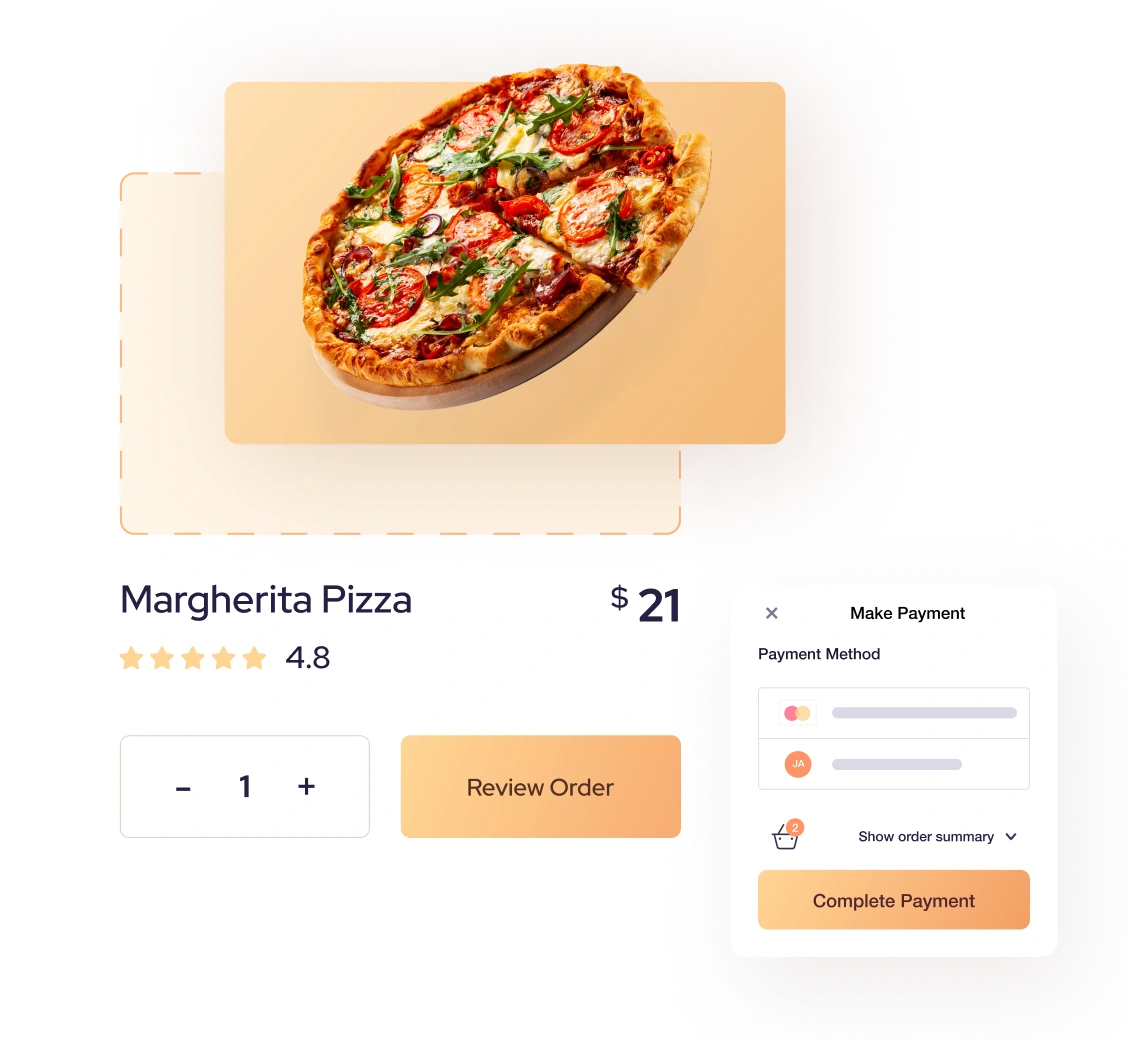
Imagine Sarah, who runs a small online boutique selling handmade jewelry. For her, the whole process, from browsing to buying, needs to be super smooth and visually appealing.
- Tools used: Sarah can use Helcim’s Online Checkout to quickly set up a fully hosted online store, or integrate Helcim with WooCommerce or other popular shopping cart platforms. This allows her to display her beautiful jewelry, manage inventory with thorough e-commerce QA testing, validate critical workflows like product selection, cart updates, payment processing, and mobile responsiveness—ensuring a seamless checkout experience across all major credit cards and digital wallets like Apple Pay and Google Pay directly on her site.
- Why it works: Helcim provides the comprehensive e-commerce tools Sarah needs, from a simple, no-code online store option to powerful integration, ensuring a smooth customer experience and secure payment processing.
2. Professional services
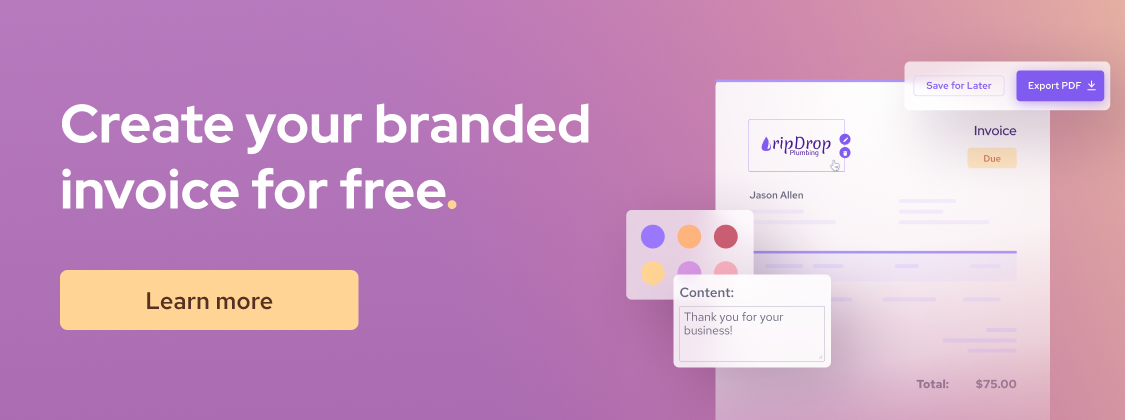
Now think about Mark, a freelance graphic designer. He's not selling physical products, but his clients need to pay him for his creative work. His payments are often project-based or for recurring retainers.
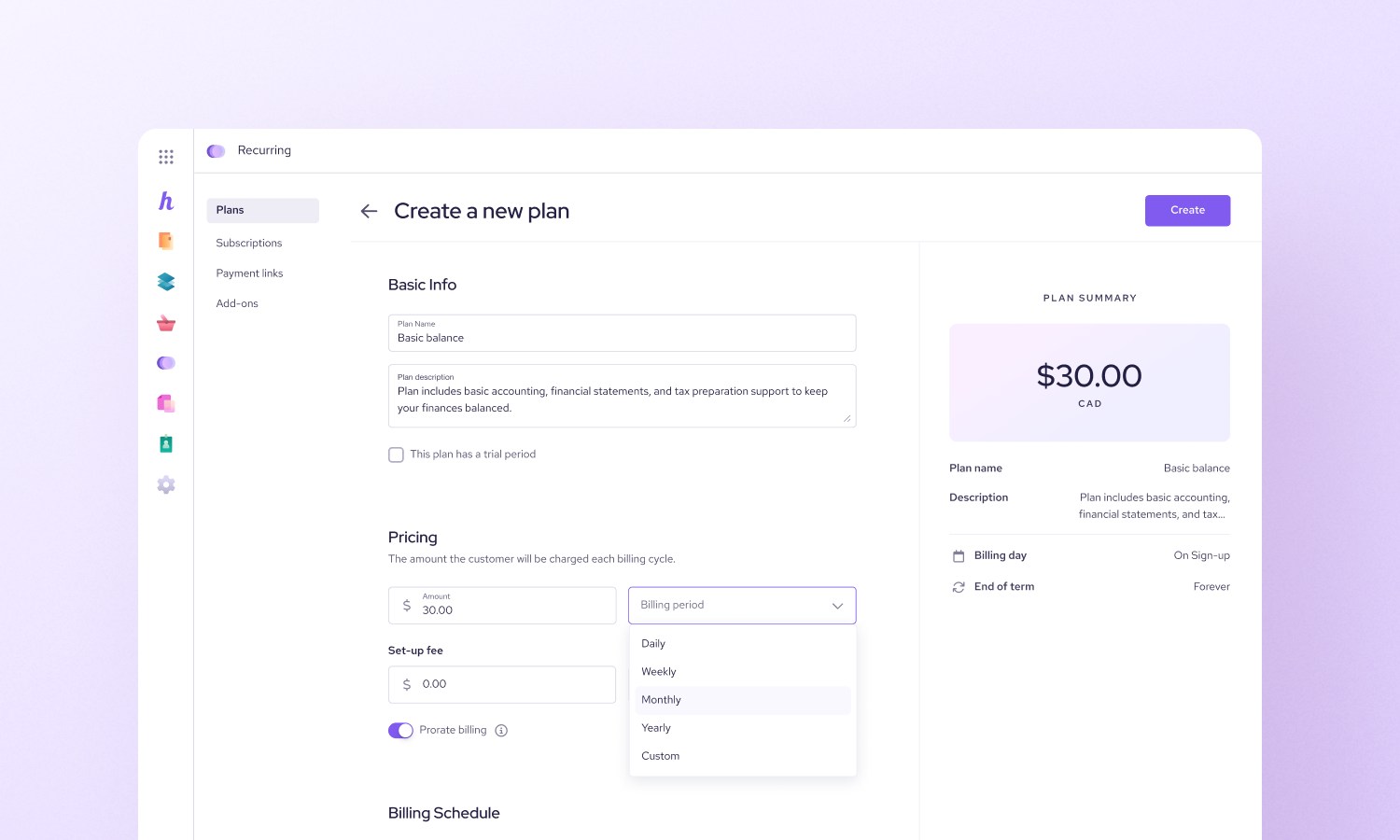
- Tools used: Mark can easily send professional invoices directly from his Helcim account using Helcim Invoicing. These invoices include a secure "Pay Now" button, allowing clients to pay online with credit cards or even ACH bank payments, which are great for larger sums and lower transaction fees, especially for recurring payments from business clients.
- Why it works: Helcim's invoicing features give Mark the flexibility to get paid quickly and efficiently, whether he's sending a one-off invoice or a recurring bill. It streamlines his billing and speeds up cash flow.
3. Retail businesses (with an online presence)
Consider a local bookstore, "The Cozy Corner," which now also sells books online. They have both a physical store and a website which means they need to accept in person payments and facilitate online sales.
- Tools used: "The Cozy Corner" wants to seamlessly integrate payment processing into their existing website without a full-blown e-commerce platform. They can use HelcimPay.js to add secure payment fields directly to their checkout page, keeping customers on their site for a smooth experience. For simpler needs, they could also create Helcim Payment Pages to link directly to specific products or donation forms, which are fully hosted and secure. This allows them to accept credit cards and other payment types online, complementing their in-person sales handled by the Helcim Smart Terminal or the Helcim POS app.
- Why it works: HelcimPay.js and Payment Pages offer flexible ways for retail businesses to add online payment capabilities to their existing websites without a complete overhaul. These products provide a consistent payment experience for customers and help to manage sales across both online and physical store locations.
4. SaaS (Software as a Service) companies
Finally, let's look at a company like "CloudFlow," which offers project management software on a monthly subscription. Their payments are almost entirely recurring.
- Tools used: CloudFlow can use Helcim's powerful Recurring Payments feature to automate their monthly subscriptions. They can set up custom billing plans, manage customer subscriptions, and securely process recurring credit card or ACH payments. Helcim's system also includes features for managing failed payments and sending reminders, ensuring a smooth, predictable revenue stream. For custom integrations, Helcim's API (Application Programming Interface) allows developers to build tailored checkout experiences directly into their software.
- Why it works: Helcim's Recurring Payments takes the headache out of subscription billing. It automates payment collection, manages different billing cycles, and helps recover failed payments, allowing CloudFlow to focus on developing their software and serving their users.
No matter your business type, the goal is always the same: make it as easy as possible for your customers to pay you, while keeping your own operations smooth and secure. Helcim provides the tools to help you do just that.
What are the steps to take payments on your website?
Okay, this is where we get practical! Setting up your website to take payments can feel like a big project, but with the right steps and partner, it's very manageable. Think of it like assembling flat-pack furniture – daunting at first, but with clear instructions, you'll have it ready in no time.
Here are the key steps you'll take to get payments flowing on your website:
- Sign up for a Helcim account.
- Complete your business and application setup.
- Configure your Helcim online payment tools.
- Test your transactions.
- Start processing payments!
Let's break down each of these steps.
1. Sign up for a Helcim account
The very first step is to get your merchant account set up, and with Helcim, this process is straightforward. A merchant account is essentially a special bank account that holds your customer's funds temporarily after a sale, before they're deposited into your regular business bank account. It's a necessary part of accepting card payments securely.
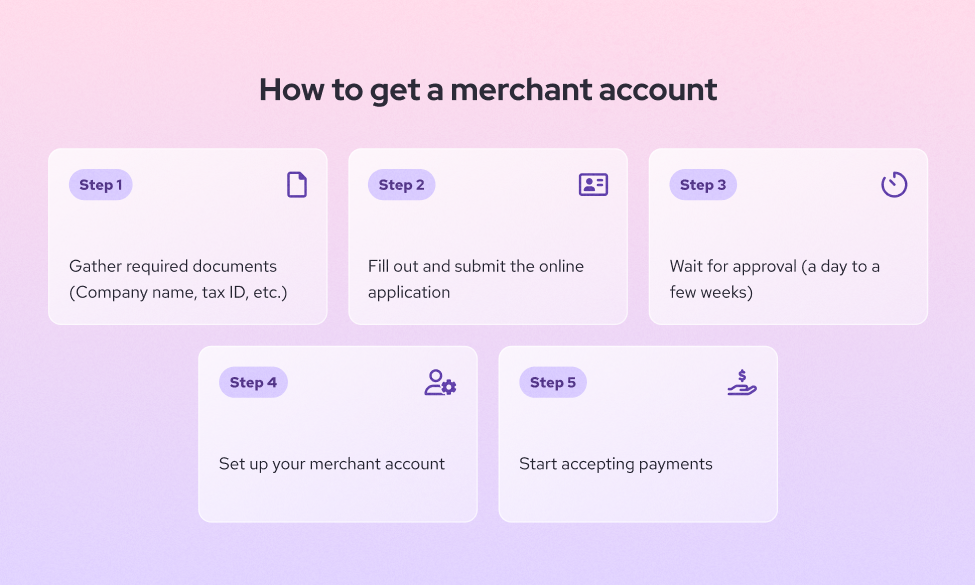
Helcim makes this simple. You can sign up for a merchant account directly on their website. The online application form is designed to be quick and easy, typically taking just about 10 minutes to fill out. You'll provide basic information about your business, such as its legal name, address, contact details, and what kind of products or services you offer. Unlike some other providers that might drown you in paperwork, Helcim's process is largely digital. Once you submit, your application moves into review.
2. Complete your business and application setup
After you've submitted your initial application, Helcim's team will review your business information. This is where they ensure everything looks good and your business aligns with the requirements for accepting credit card payments. This review process helps maintain the security and integrity of the entire payment ecosystem.
The good news is that Helcim is known for its quick approval times, often less than 24 hours. During this phase, you might be asked for a little more information if anything is unclear, but usually, it's a smooth process. Once approved, your Helcim account, which acts as your central hub for all payment activities, will be activated. This means you're almost ready to start connecting your website!
3. Configure your Helcim online payment tools
This is where you tell Helcim how you want to accept payments on your website. Helcim offers a few flexible options, so you can pick what best fits your needs.
- If you want a full online store: You'll use Helcim Online Checkout. This tool allows you to build a complete e-commerce store right within your Helcim account. You'll add your products, set up shipping, and customize the look to match your brand. It handles the shopping cart and checkout all in one place, so you don't need separate tools.
- If you have an existing website and want a simple payment option: You can use Helcim Payment Pages. These are secure, customizable pages hosted by Helcim that you can link to from your website. You create a page for a specific product, service, or even a donation, and then just share the link or embed it. It's great if you don't need a full shopping cart but want to take online payments quickly.
- If you want to build payment fields directly into your website: For those with a bit more technical know-how or a developer, HelcimPay.js is your friend. This low-code option allows you to embed secure payment fields directly into your website's checkout page. The sensitive card data never actually touches your server, reducing your PCI compliance burden, while still giving your customers a seamless experience on your site.
- For custom integrations: Helcim also provides a robust API (Application Programming Interface) for developers who want to build a fully customized payment experience from scratch, offering ultimate flexibility.
No matter which Helcim tool you choose, you'll configure your payment settings, like which card types you accept (Visa, Mastercard, etc.), and potentially set up features like recurring payments if you want to offer subscription billing on various products or services.
4. Test your transactions
Before you go live and start taking real money, it's wise to test your payment setup. This is like a final rehearsal before opening night. You want to make sure everything works perfectly, from clicking "buy" to the payment showing up in your Helcim account.
If you're using Helcim’s API, we provide specific "test credit card numbers" that you can use to test the transaction flow. You should never use real credit card numbers for testing as this is a major security risk and violates compliance rules. Using Helcim's test cards, you can go through your entire online checkout process as if you were a customer. Add items to the cart, fill in the payment details with the test card, and complete the "purchase." Then, log into your Helcim dashboard to confirm the test transaction registered correctly. This step helps you iron out any kinks and ensures a smooth experience for your actual customers.
5. Start processing payments!
Once your account is approved, your online payment tools are configured, and you've successfully run test transactions, you're officially ready! You can announce your new payment capabilities, start marketing your products or services online, and watch the sales come in.
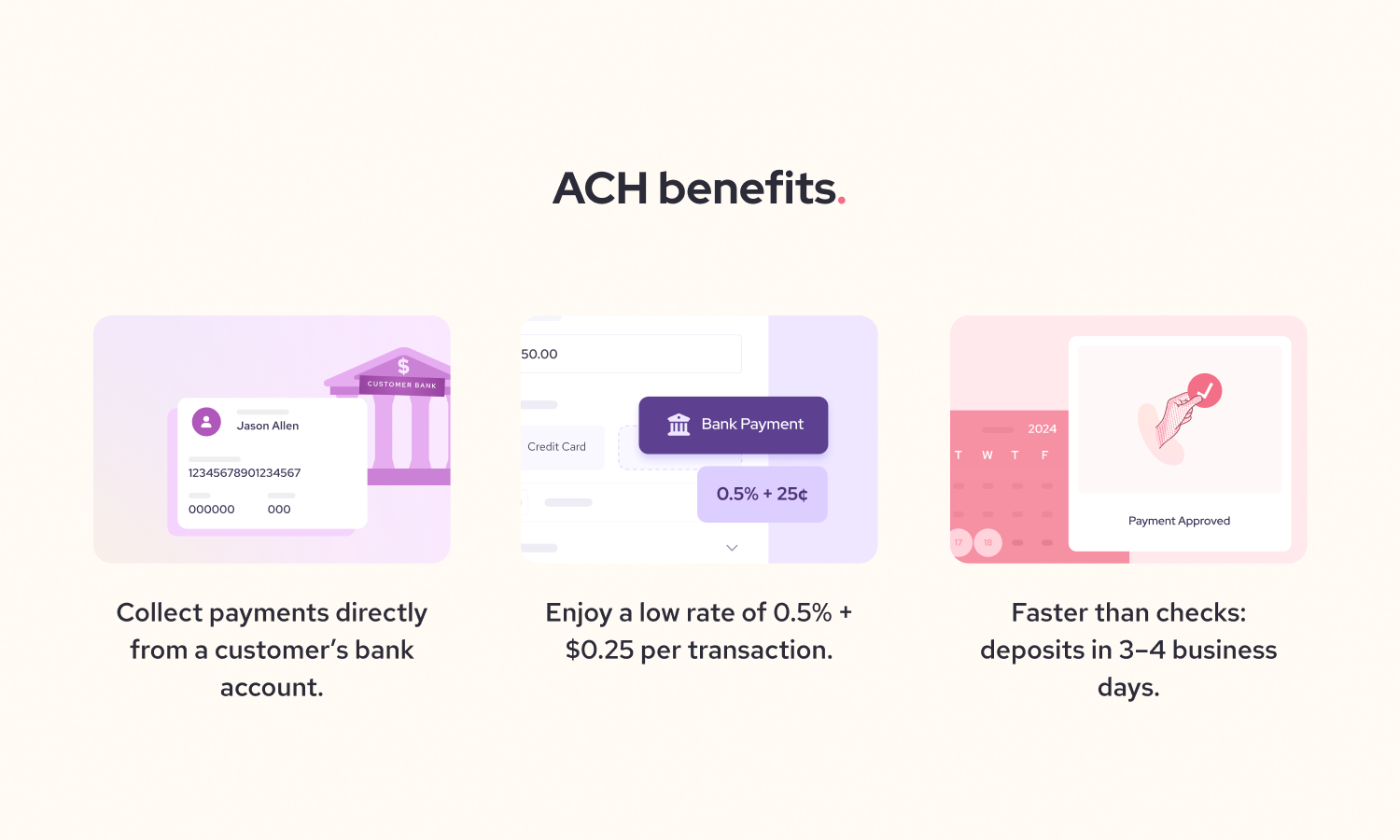
With Helcim, your funds are deposited quickly – often within 1-2 business days for credit and debit card batches, and 3-4 business days for ACH payments. This means you get access to your money fast. Remember, having a secure, reliable, and easy-to-use payment system like Helcim's is not just about making sales; it's about building trust with your customers and scaling your business in the digital world.

What payment methods can you accept on your websites?
Once your website is set up to accept payments, the next big question is: what kind of payments can you actually take? Think about your own preferred payment method. Do you always use the same credit card, or do you sometimes tap your phone, or maybe even pay directly from your bank account?
Offering a variety of popular payment methods is like having different checkout lanes in a store – it reduces frustration and makes it easier for everyone to complete their purchase. In fact, offering diverse payment options can significantly reduce cart abandonment; a study by Paysafe in 2024 showed that while card payments are still common, a good portion of consumers are increasing their use of bank transfers and digital wallets. This means limiting your options could be turning away potential customers.
Let's break down the popular online payment methods to accept on your websites
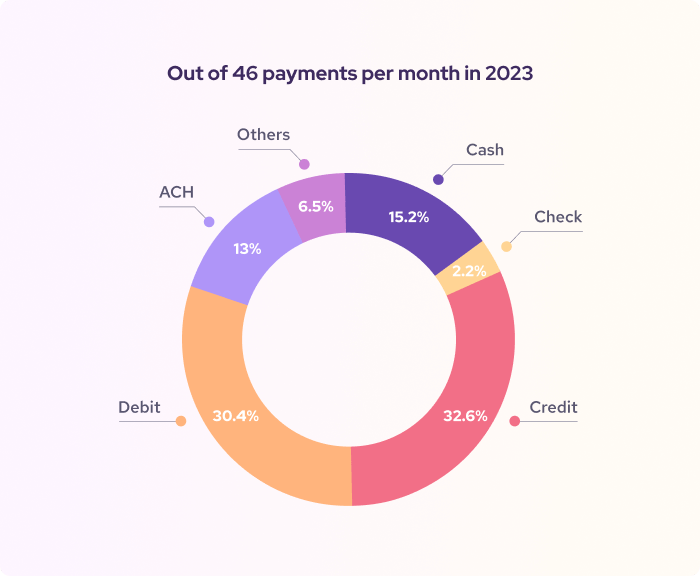
- Credit and debit cards: The most popular payment methods that work internationally.
- Digital wallets: Allowing phone users to quickly pay via Apple Pay and Google Pay.
- ACH payments: Affordable bank transfers payments for high-value invoices or recurring payments.
1. Credit and debit cards
These are the backbone of online payments. Almost everyone has one, and they're widely accepted across the globe. When we talk about processing credit and debit cards, we're talking about the big names you see in your wallet:
- Visa
- Mastercard
- American Express
- Discover
Helcim processes all these major card brands, ensuring you can cater to a broad customer base. When a customer enters their card details on your Helcim-powered checkout, the system securely encrypts the information and sends it off for approval, making sure the transaction is safe for both you and your customer.

2. Digital wallets
Digital wallets, often called mobile wallets, are gaining serious traction because they make checkout super fast and secure. Instead of typing in a 16-digit card number, customers can pay with just a few taps or clicks using their stored payment information.
- Apple Pay: For customers using Apple devices (iPhones, iPads, Macs), Apple Pay offers a seamless and secure way to pay using a saved card.
- Google Pay: Similarly, Google Pay allows Android users (and those on desktop browsers) to pay quickly using cards linked to their Google account.
Helcim integrates with these popular digital wallets through its online checkout tools and Helcim.js. This is a big win for customer convenience, as it reduces the steps at checkout and often leads to higher conversion rates – meaning more completed sales for you!
3. ACH payments/bank transfers
While credit cards are great for instant purchases, sometimes customers (especially businesses paying invoices, or for larger transactions) prefer to pay directly from their bank account. This is where ACH payments (in the U.S.) or Electronic Funds Transfers (EFT/PAD in Canada) come in.
- What they are: These are electronic transfers of money directly from one bank account to another. Think of them as a digital version of writing a check, but much faster and more secure.
- Why they're great for businesses: ACH payments typically have much lower processing fees than credit card transactions, making them very cost-effective for larger payments or recurring billing. They're ideal for professional services, B2B sales, or subscription models where predictable, lower-cost transactions are preferred.

Helcim automatically enables ACH/EFT for eligible merchants, allowing you to accept these payments through tools like Helcim Invoicing, Helcim Recurring Payments, and the Helcim Virtual Terminal. You can offer this as an additional payment option, giving your customers more flexibility while helping you save on fees.
What are the costs to accept payments on a website?
Alright, let's talk about the money side of things – specifically, what it costs to actually process payments on your website. This is an area where a lot of small business owners get tripped up, and honestly, some payment providers don't make it easy to understand. It’s like looking at a restaurant menu where all the prices are hidden until the bill comes – frustrating, right?
Below are the the 4 main costs to accept payments on your website:
- Processing fees: These are fees charged for each successful transaction processed on your site.
- Merchant account fees: A monthly fee required to maintain your merchant account.
- Chargeback fees: Fees incurred each time a customer disputes a charge and files a chargeback.
- PCI compliance and other hidden fees: Costs associated with maintaining PCI compliance, as well as other miscellaneous or unexpected fees

Understanding these costs upfront is crucial because they directly impact your profit margins. According to a 2024 report by Clearly Payments, over 90% of small businesses are paying more in processing fees than they initially expect. Even a 0.5% increase in fees can mean thousands of dollars lost each year for a business making steady credit card sales. This means ignoring them can seriously eat into your earnings.
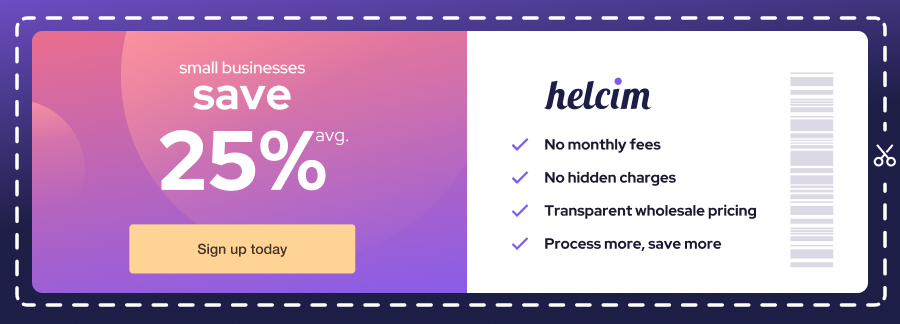
When you partner with a payment processor like Helcim, only pay processing fees. We pride ourselves on being transparent and affordable, often saving small businesses 25% on average compared to competitors. Let's break down what you can expect from Helcim and what to look for if you are currently processing payments elsewhere:
1. Processing fees
This is typically the biggest piece of the pie and at Helcim the only piece. (Only pay when you process). A processing fee is what you pay each time a customer makes a purchase with their credit or debit card. These fees are made up of three parts:
- Interchange fees: This is the bulk of the cost, and it's paid to the customer's bank (the "issuing bank"). It varies based on the type of card used (e.g., a standard consumer card versus a premium rewards card or a business card), how the transaction is processed (online vs. in-person), and the type of business you run. These fees are set by the card networks (Visa, Mastercard, etc.) and are non-negotiationable for all processors. Helcim passes these fees directly to you at cost.
- Assessment fees: These are smaller fees paid directly to the card networks (Visa, Mastercard, etc.) for using their network.
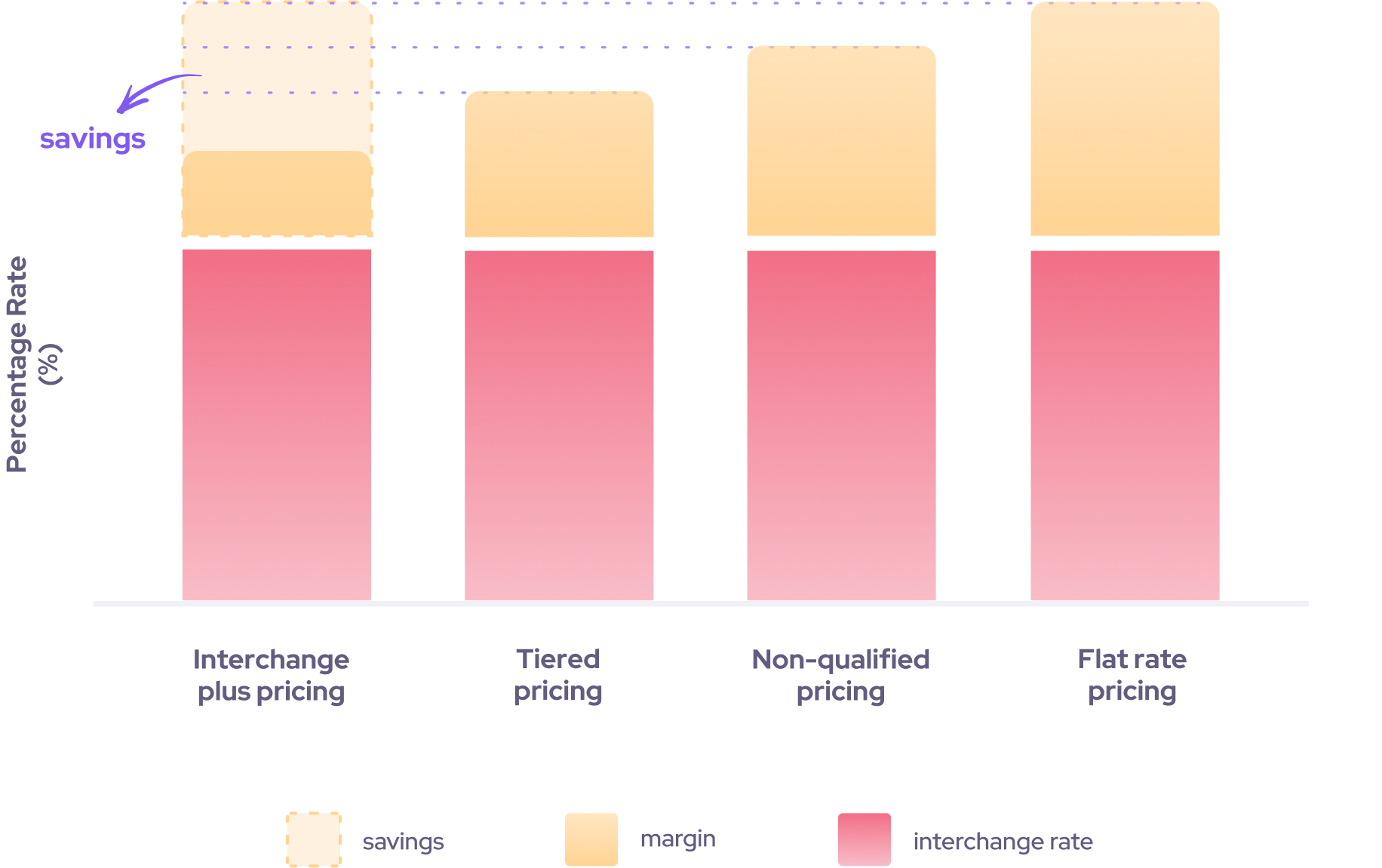
- Processor markup: This is the fee that Helcim (or any payment processor) adds on top of the interchange and assessment fees. This is how processors make their money. Helcim uses an interchange-plus pricing model, which is known for being the most transparent. It means you see the actual interchange cost, plus a small, clear markup from Helcim. For example, you might see a rate like "Interchange + 0.15% + $0.08 per transaction." This lets you know exactly what you're paying.
Why is transparency here important? Because some providers use "flat-rate pricing," where they mark up to the same rate even on low interchange transactions, which often means you end up paying more for many transactions without fully realizing it. With interchange-plus, what you see is what you get.
2. Merchant account monthly fees
Some payment processors charge a fixed monthly fee just for having an account with them. This merchant account fee can cover things like customer support, access to your online dashboard, and basic account maintenance. Helcim has no monthly fees making it even more affordable to accept payments with us.
3. Chargeback fees
Imagine a customer buys something from your website, but then disputes the charge with their bank. This is called a chargeback. Maybe they didn't recognize the charge, thought it was fraud, or never received their item.
Many payment processors will hit you with a chargeback fee the moment a dispute is filed, regardless of the outcome. Helcim's policy is different. While a temporary $15 chargeback fee might be debited from your account when a dispute is initiated, you are only charged this fee if you lose the chargeback dispute. If you successfully win the dispute (and Helcim provides tools and support to help you fight them), that $15 fee is fully refunded to you. This is a significant advantage, as it rewards merchants for actively managing and winning their chargeback disputes. The best way to avoid these fees is to have clear communication with your customers, accurate product descriptions, and good customer service.
4. PCI compliance and other hidden fees
This is where Helcim truly stands out from many other payment providers. Understanding what you won't be charged for is just as important as knowing what you will be if you process payments with some competitor.
- No PCI compliance fees: PCI DSS (Payment Card Industry Data Security Standard) compliance is a set of security standards for protecting cardholder data. Many payment processors charge an annual or monthly fee for PCI compliance. Helcim does not charge PCI compliance fees. They include the necessary tools and support to help you stay compliant at no extra cost, which protects your business from costly data breaches.
- No Setup fees: You won't pay a one-time fee to get your account activated.
- No cancellation fees: There are no penalties if you decide to close your account. Helcim believes in earning your business every day, not locking you into a long-term contract.
- No batch fees: Some providers charge a small fee each time you "batch out" or close your day's transactions. Helcim does not.
- No hidden fees: Helcim prides itself on transparent, upfront pricing. You won't find unexpected charges for things like statement fees, support fees, or other common "junk fees" that can inflate your processing costs elsewhere (learn more about other payment hidden fees).
By choosing a processor with a truly transparent and advantageous fee structure, like Helcim, you can accurately forecast your expenses and ensure that taking payments online is a profitable venture for your small business.
What are the advantages and disadvantages for accepting payments on a website?
Adding payment capabilities to your website is a huge step, and for most businesses, the upsides far outweigh the downsides. Think about how much the world has shifted online. If you can't take payments there, you're essentially missing out on a massive marketplace. However, it's also smart to be aware of the challenges so you can prepare for them.
Let's dive into the advantages first:
Advantages of accepting payments on a website
- Expanded customer reach: This is probably the biggest game-changer. When you accept payments online, your store isn't limited by your physical location or your business hours. You can sell to anyone, anywhere, at any time. Imagine a small boutique in Calgary suddenly being able to sell its unique handmade items to customers in Toronto, Vancouver, or even across the border in the United States. In fact, global e-commerce sales continue to grow significantly, reaching over $5.8 trillion. If you're not online, you're simply not tapping into this massive, ever-growing market.
- Increased sales and revenue: This naturally follows from expanded reach. More people seeing your products and being able to buy them instantly means more sales. Online payment options also often lead to higher average order values because customers can browse more freely and aren't limited by how much cash they have on hand. Plus, with features like recurring payments, you can set up subscription models, creating predictable revenue streams for services or ongoing product deliveries.
- Convenience for your customers: In today's fast-paced world, convenience is king. Customers expect to be able to buy what they want, when they want, from wherever they are. Offering online payments provides that ultimate convenience. They don't need to call you during business hours, drive to your location, or mail a check.
- Improved cash flow: Getting paid faster is a huge win for any small business. Unlike waiting for cheques to clear or for customers to pay invoices manually, online payments process quickly. With Helcim, funds from credit and debit card sales are typically deposited into your bank account within 1-2 business days. This quicker access to your money helps you manage expenses, invest in your business, and generally keeps your operations running smoother.
- Professionalism and credibility: A website that looks professional and offers secure payment options instantly boosts your business's credibility. It shows customers you're serious, trustworthy, and modern. Think about it: would you rather buy from a website that looks a bit sketchy and only accepts cash on delivery, or one with a clear, secure checkout powered by a reputable processor? Secure online payments build confidence and trust with your audience.
Disadvantages of accepting payments on a website
While the advantages are compelling, there are a few things to keep in mind:
- Security risks and PCI compliance: Whenever you handle sensitive customer data like credit card numbers, security is paramount. There's always a risk of data breaches or fraud attempts. This is why adhering to PCI DSS (Payment Card Industry Data Security Standard) is crucial. While Helcim helps you stay compliant and doesn't charge for it, the responsibility to operate securely still rests with you. Not maintaining proper security could lead to significant fines and reputational damage if a breach occurs. It requires diligence, but providers like Helcim handle much of the technical heavy lifting for you.
- Payment processing fees: Yes, there's a cost to the convenience. As we discussed earlier, you'll incur processing fees on each transaction. While these fees are a necessary part of doing business online, they do reduce your profit margins. It's essential to understand Helcim's transparent interchange-plus pricing model to accurately factor these costs into your product pricing.
- Chargebacks: This is when a customer disputes a transaction with their bank, and the funds are pulled back from your account. Chargebacks can be a headache, leading to lost revenue, fees, and administrative time to resolve. While they are a risk of online sales (especially without a physical card present), you can minimize them with clear policies, good customer service, and solid fraud prevention tools (which Helcim provides).
- Technical setup and maintenance: While tools like Helcim make it much easier, there's still an initial setup phase to integrate payments with your website. This might involve some basic technical configuration, especially if you're using APIs or integrating with specific shopping carts. You also need to ensure your website and payment gateway remain updated and functional. However, compared to building an entire physical storefront, the digital setup is often less complex and far more scalable. Helcim aims to simplify this process with user-friendly interfaces and robust support.
Overall, for most small businesses looking to grow, the advantages of accepting payments on your website far outweigh the disadvantages. With the right payment partner, you can overcome the challenges and truly harness the power of online sales.
Get started with payments on your website.
Turning your website into a powerful sales engine might seem like a big step, but it's totally within reach for your small business. By understanding the essential tools, streamlining your setup with a partner like Helcim, and offering flexible payment options, you unlock a massive world of customers. While there are costs to consider, Helcim's transparent approach means no hidden fees, letting you keep more of your hard-earned money. Ultimately, the huge advantages of expanding your reach and boosting sales online far outweigh any challenges, making it a clear win for your business's growth.
FAQ:
Can you take payments on your website for free?
This is a really common question, and the short answer is no, not entirely. While you might find platforms or tools that advertise "free" setup or "no monthly fees," there's always a cost involved somewhere down the line when you accept payments. Think about it: banks, credit card networks (Visa, Mastercard), and the companies that facilitate the transaction all have operating costs.
What are the cheapest ways to take payments on your website?
Ultimately, the cheapest way to take payments on your website involves a combination of smart choices: a transparent processor like Helcim with interchange-plus pricing, the option to accept lower-cost payment methods like ACH, and avoiding providers with a long list of hidden or recurring monthly fees.
Related Articles
-
Best Virtual Terminal - Online POS System
Robert Luong | September 12, 2024
-
How can I accept online ACH payments?
Ryleigh Stangness | August 29, 2023